Set the stage by highlighting the current impact of AI on businesses
AI-Powered Automation
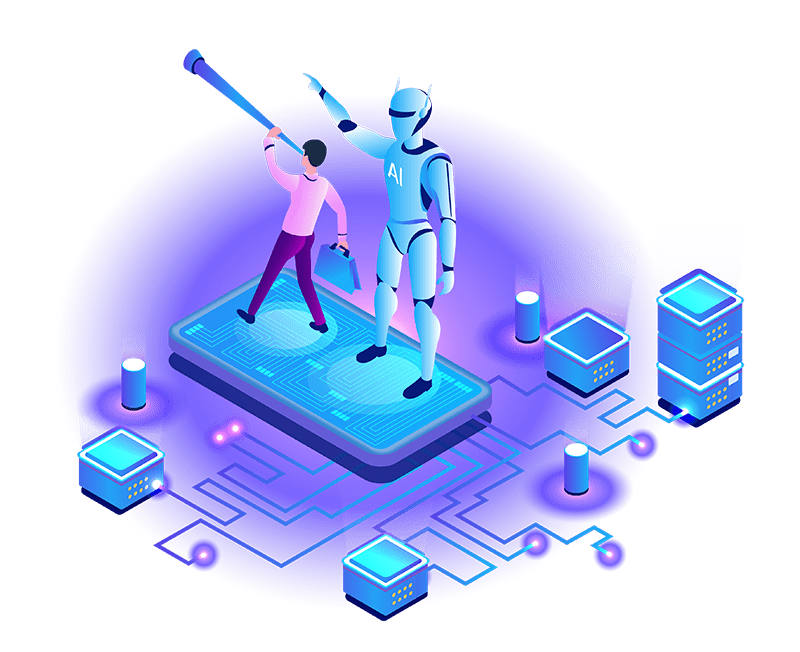
Automation has been a driving force behind efficiency and productivity gains in various industries. In 2023, we can expect an even greater integration of AI in automation processes.
Businesses will harness AI to streamline routine tasks, optimize supply chains, and enhance customer service. This not only reduces operational costs but also allows employees to focus on more strategic, value-added tasks.
AI-Driven Personalization
Personalization has become a cornerstone of modern customer experiences. AI is set to take personalization to the next level by analyzing vast datasets to provide hyper-personalized recommendations and content. Businesses will leverage AI-powered recommendation engines to tailor products, services, and marketing efforts to individual preferences, ultimately boosting customer loyalty and revenue.
AI in Healthcare
The healthcare industry will continue to see significant advancements in AI adoption. AI-powered diagnostic tools, predictive analytics, and telehealth solutions will revolutionize patient care. Early disease detection, treatment optimization, and patient monitoring will all benefit from AI, leading to better healthcare outcomes and cost savings.
You’re either the one that creates the automation or you’re getting automated.
AI for Cybersecurity
As cyber threats become more sophisticated, AI will play a critical role in strengthening cybersecurity defenses. AI algorithms can analyze network traffic patterns, identify anomalies, and respond to threats in real-time. Businesses will increasingly rely on AI-driven cybersecurity solutions to protect their sensitive data and infrastructure.
AI Ethics and Regulation
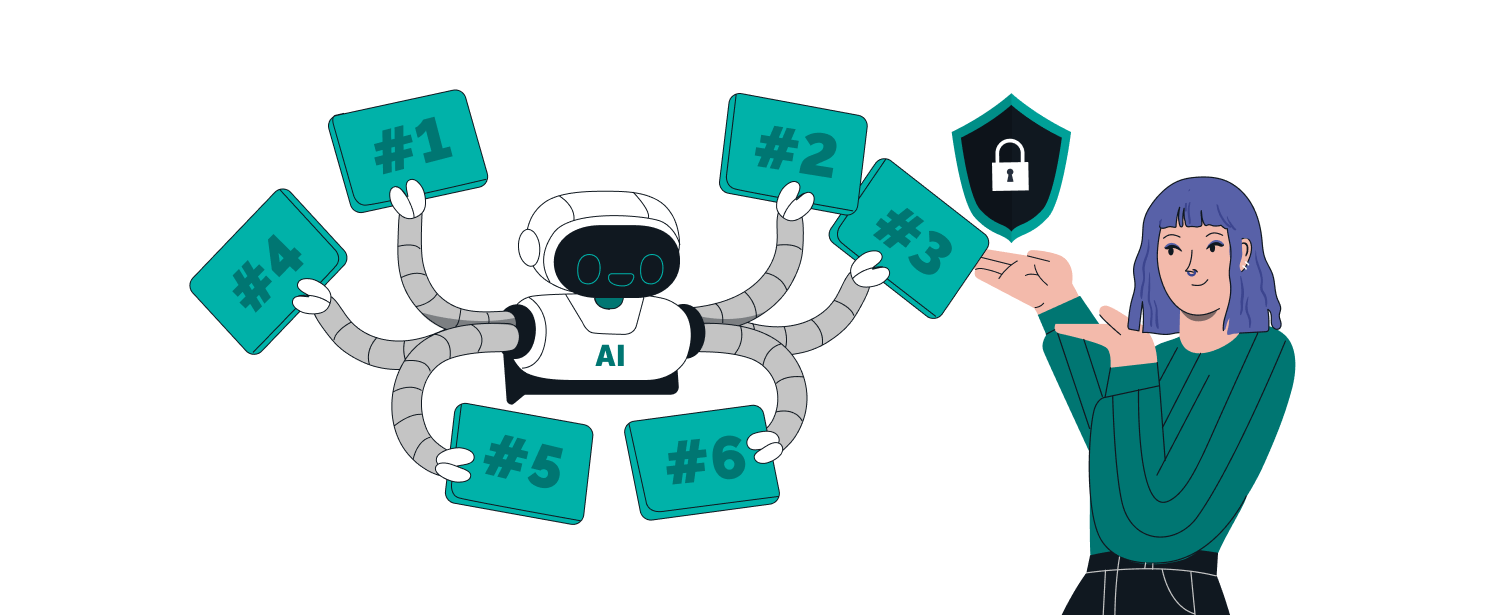
As AI becomes more integrated into everyday life, ethical considerations are paramount. In 2023, we can expect continued efforts to establish ethical guidelines and regulations surrounding AI adoption. Businesses will need to prioritize ethical AI practices, transparency, and accountability to ensure responsible AI use.
AI in Education
Education will see AI-driven innovations in personalized learning experiences, intelligent tutoring systems, and administrative automation. AI can adapt learning materials to individual student needs, making education more effective and accessible. Educational institutions will increasingly adopt AI to enhance teaching and learning outcomes.
AI in Financial Services
The financial sector will continue to leverage AI for risk assessment, fraud detection, algorithmic trading, and customer service. AI-driven chatbots and virtual assistants will provide efficient and personalized financial guidance to clients. This will enhance customer experiences and help financial institutions stay competitive.
AI in Manufacturing
Manufacturing processes will benefit from AI-powered predictive maintenance, quality control, and demand forecasting. By analyzing sensor data and historical information, AI can optimize production schedules, reduce downtime, and improve product quality. These advancements will lead to increased efficiency and cost savings.